
Yes, Double Block and Bleed (DBB) Valves are safe when designed and installed correctly. Their dual isolation and bleed mechanism ensure reliable sealing, pressure verification, and enhanced operator safety. Using certified materials, proper installation, and routine maintenance further strengthens their reliability in critical industrial applications.
Double Block And Bleed Valves Manufacturer
Elevate safety and efficiency with the DBB Valve , engineered for uncompromising performance.
We are a leading Double Block and Bleed Valves manufacturers in Mumbai, India, with multifaceted roles, and versatility across diverse applications. Whether for general utility or as a pivotal component in fuel service systems, these valves provide paramount control over fluid flow. With our unique design featuring dual isolation and bleed capabilities, these Valves ensure heightened safety and efficiency, surpassing standard instrumentation ball valves. From regulating flow in industrial processes to safeguarding critical systems, Double Block and Bleed Valves from Feature stand as the superior choice, empowering seamless operations and peace of mind.
What is a Double Block and Bleed Valve?
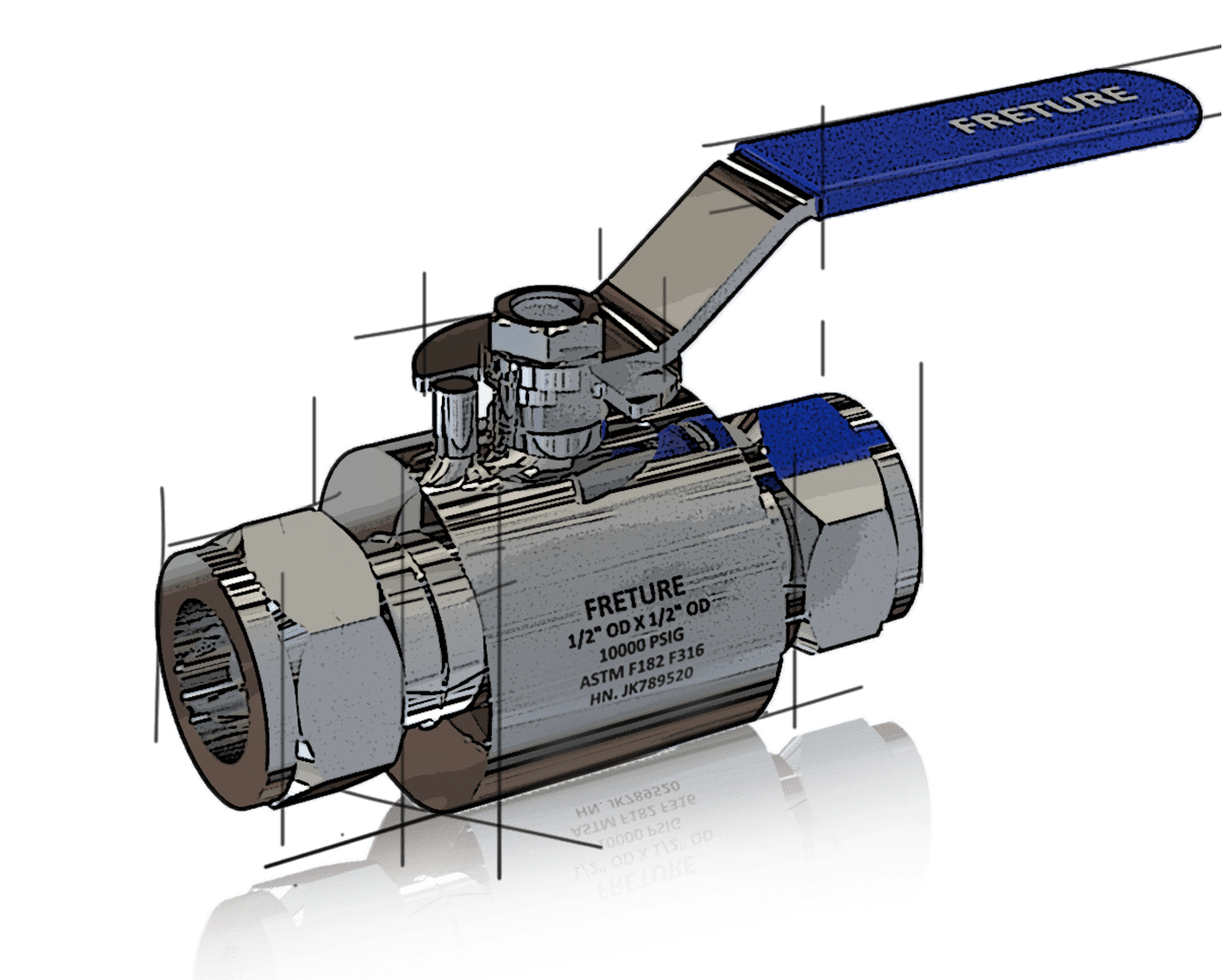
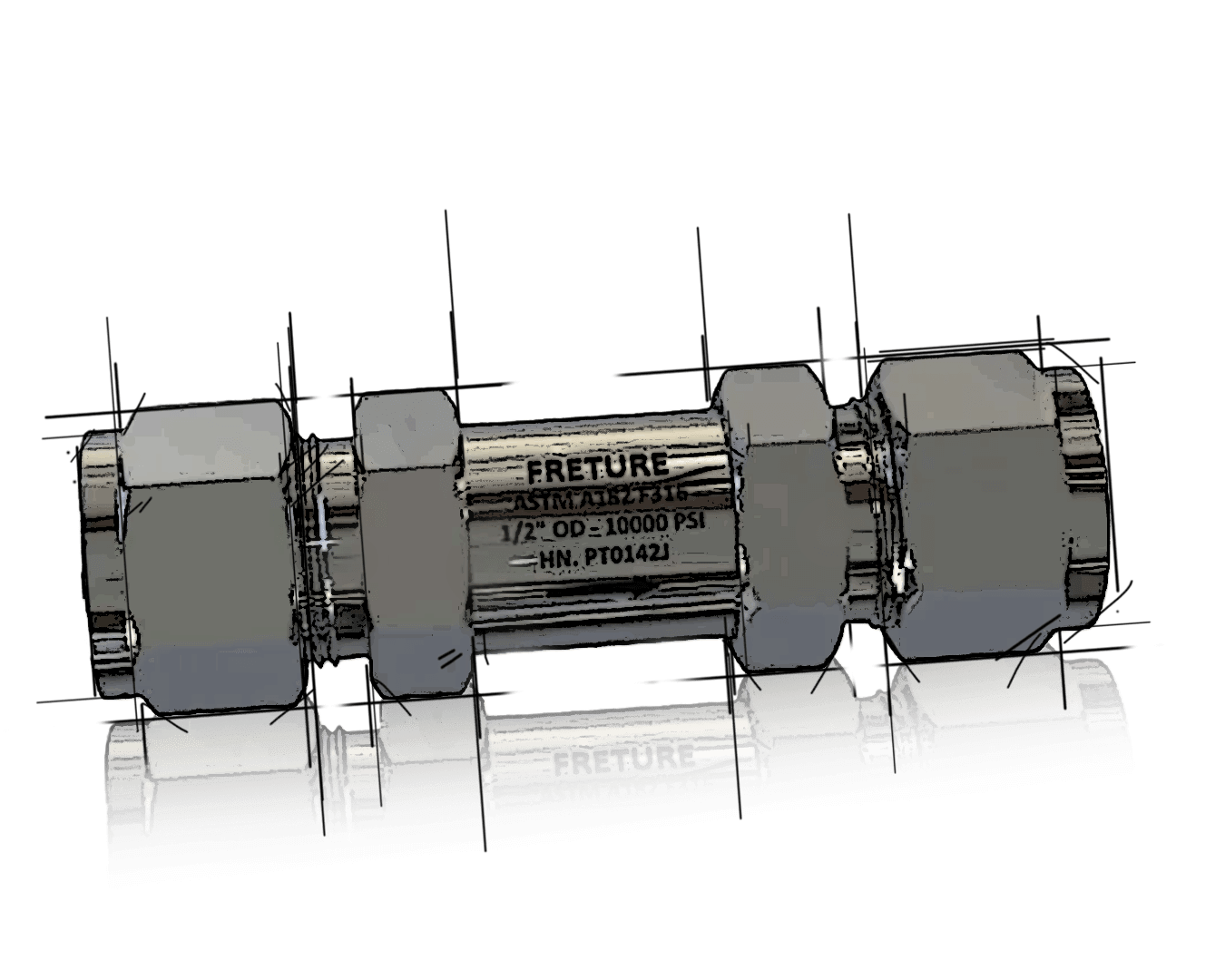
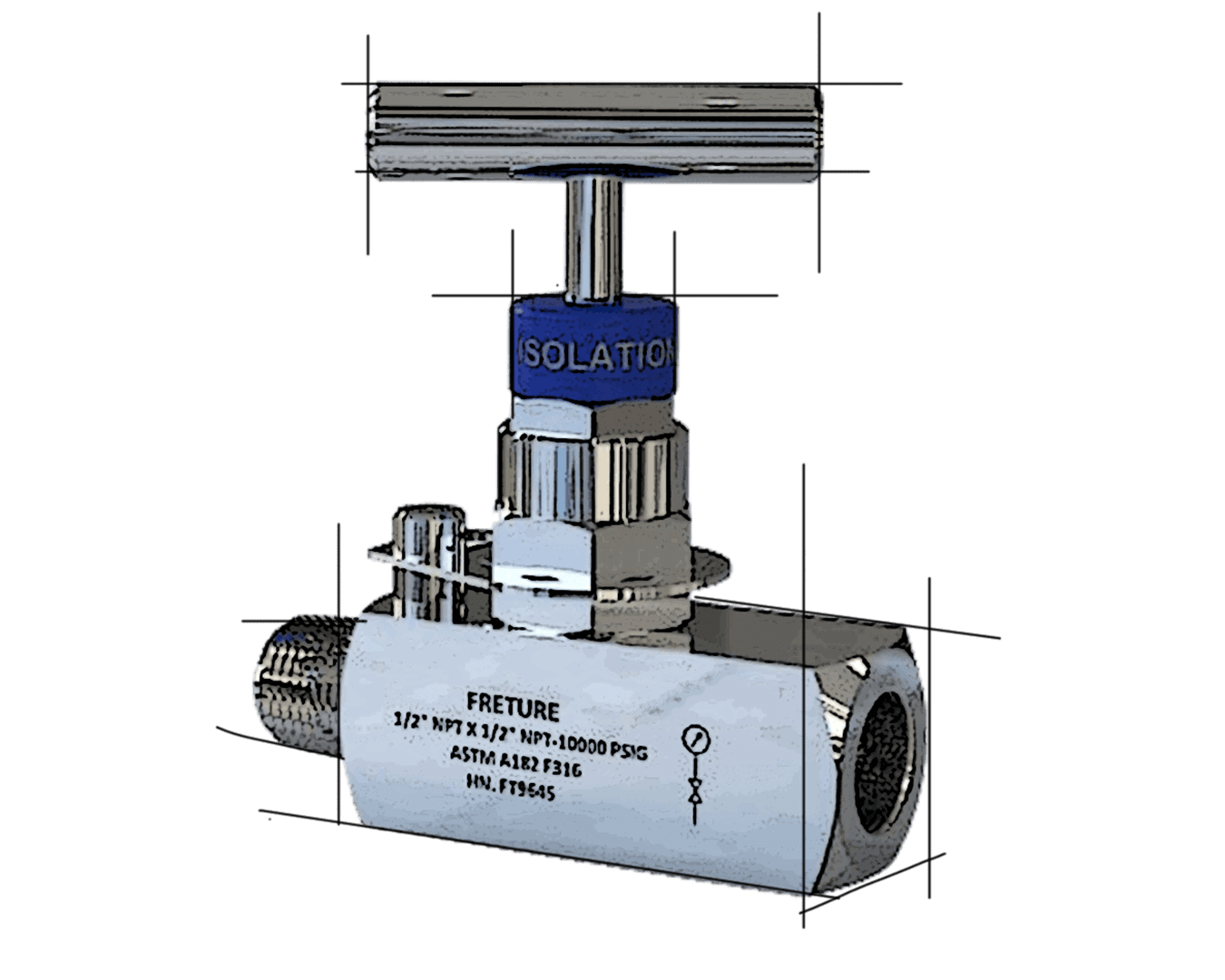
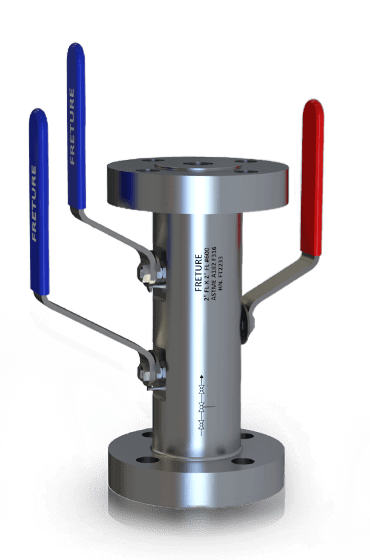
In essence, a DBB combines two isolation valves into a single unit, with a third valve placed between them to relieve pressure. This configuration ensures a secure blockage on either side of the system while allowing any trapped fluid to be safely discharged via the bleed valve. Double block & bleed instrument valve is typically used in applications where the system needs to be depressurized for maintenance or inspection without completely shutting down the entire process.
Double Block and Bleed Valves are an efficient way to enhance operational safety while optimizing system space by reducing the number of individual valves.
How a Double Block and Bleed Valve Works
A Double Block and Bleed (DBB) valve is designed to provide positive isolation in high-pressure and critical service applications. Its working principle is based on two independent sealing barriers with a bleed mechanism in between, ensuring maximum safety and leak prevention.
In a DBB valve, two block valves are positioned in series within a single valve body or valve assembly. These block valves are located on the upstream and downstream sides of the process flow. When both block valves are closed, they create two separate sealing points, effectively isolating the pipeline section from the process media.
Between these two block valves, a bleed valve or bleed port is installed. Once the main block valves are closed, the bleed valve is opened to release any trapped pressure or residual fluid from the cavity between the two sealing points. This step confirms that both block valves are sealing properly and that no leakage is occurring.
If fluid or pressure is detected at the bleed port, it indicates a leak in one of the block seals, allowing operators to identify issues immediately without exposing personnel or equipment to risk. This verification feature is a key safety advantage of DBB valves compared to conventional isolation valves.
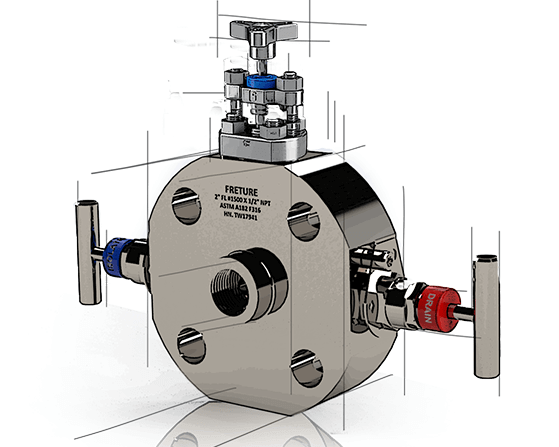
In advanced DBB valve designs, such as single-body or monoflange configurations, all three functions—double isolation and bleeding—are integrated into a compact unit. This reduces potential leak paths, minimizes installation space, and improves system reliability. Metal-to-metal sealing, precision machining, and compliance with international standards further enhance performance in high-pressure and high-temperature applications.
Overall, a Double Block and Bleed valve works by isolating the process flow at two points and safely venting the cavity between them, making it an essential solution for applications where safety, maintenance efficiency, and regulatory compliance are critical.
Features
The Valves come with a range of advanced features that make them highly effective in critical applications:
- Isolation and Bleed Mechanism: Ensures two independent barriers for safety with a venting mechanism between them.
- Compact Design: Combines multiple valves into a single unit, saving space and reducing weight, while also minimizing the number of potential leak points.
- Pressure Rating and Size Range: Available in pressure ratings from #150 to #2500, Double Block and Bleed valves accommodate different system requirements, with sizes ranging from 8NB to 100NB.
- Body Materials: Manufactured from a wide variety of materials, including stainless steel, carbon steel, and specialty alloys, these Valves are built to withstand various environments. Temperature Range: Suitable for applications with temperatures ranging from -7°C to 280°C.
- Compliance with Industry Standards: These valves adhere to international standards like ASME B16.34 and API 598, ensuring optimal performance in demanding conditions.
- Leak Prevention and Safety:Double Block and Bleed Valve are fire-safe and meet sour service requirements under NACE MR0175 and ISO 15156 standards, making them reliable in harsh environments such as offshore platforms and chemical plants.
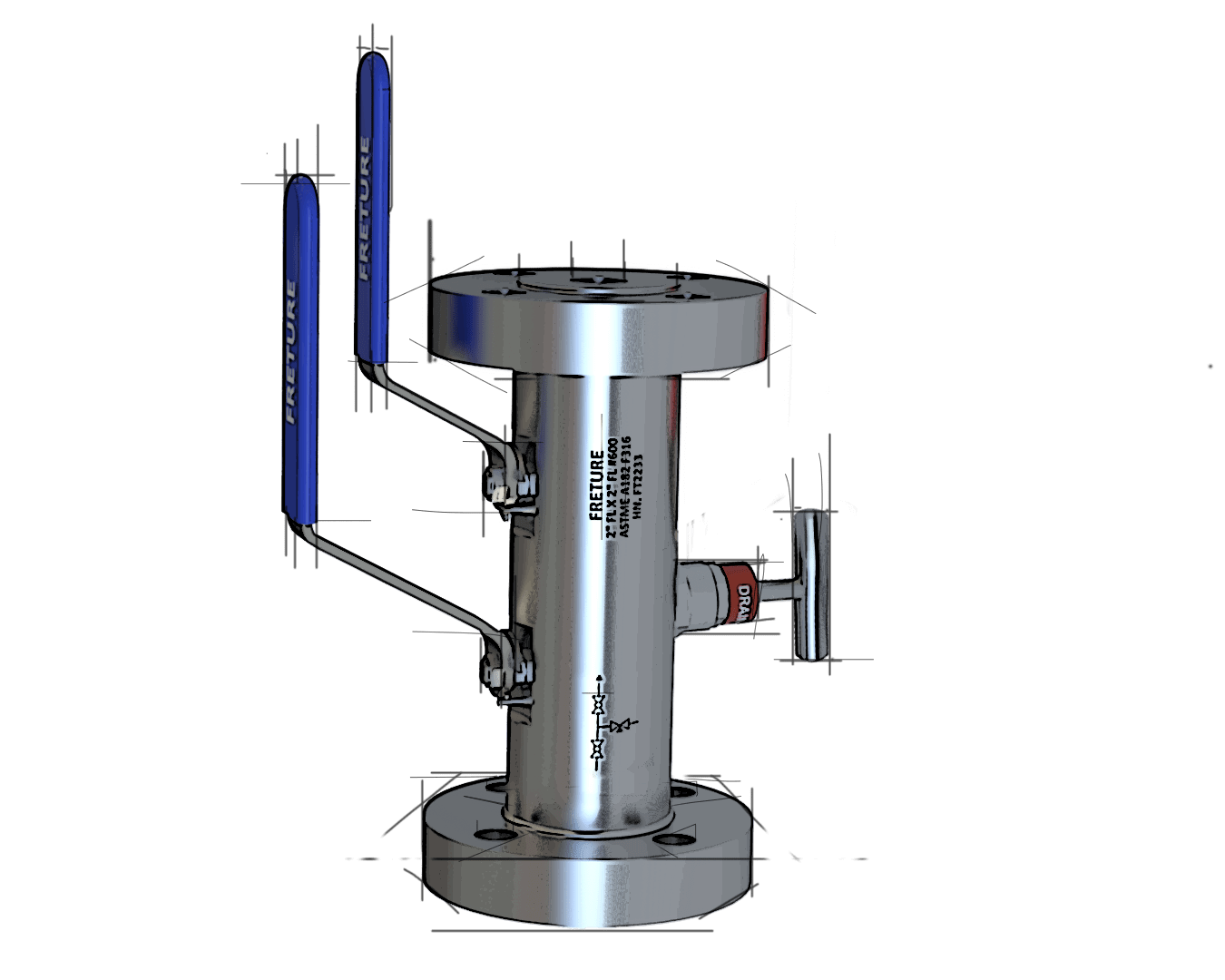
Description | Features |
|---|---|
TYPE: Ball Valve / Needle Ball-Needle-Ball Type End Connection: Flange / Butt Weld Size: 8NB - 100NB Pressure Rating: #150 - #2500 Temperature Range: -7Deg C to 280 Deg C Body Materials: Stainless Steel / Carbon Steel / Alloys Design Standard: MESC SPE 77-170, MESC SPE 77-130, MESC SPE 77 and ASME B16.34 Face to Face: ASME B16.10 Rev 2009 Safety: NACE MOR 0175 , BS/EN 10204-3.1 REV 2004, API 598 Rev 2009, API-607 |
|
Explore Double Block and Bleed Valve Types
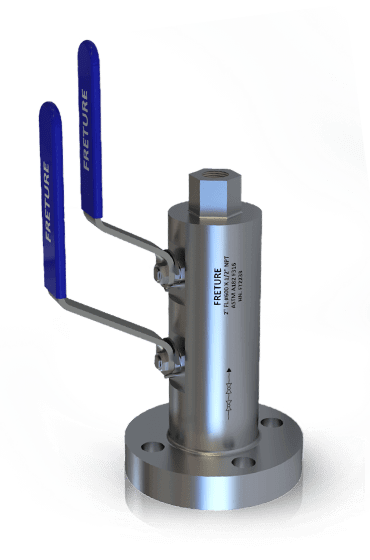
DBB 40 - DBB Valve
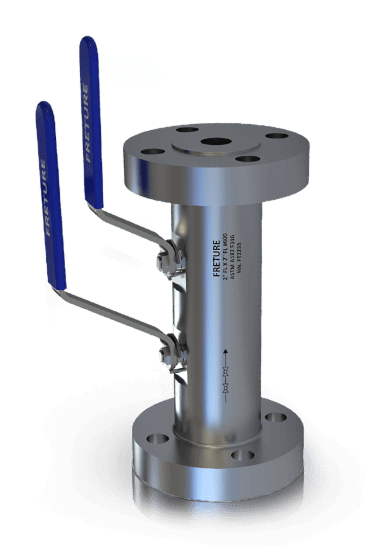
DBB 40 D - DBB Valve
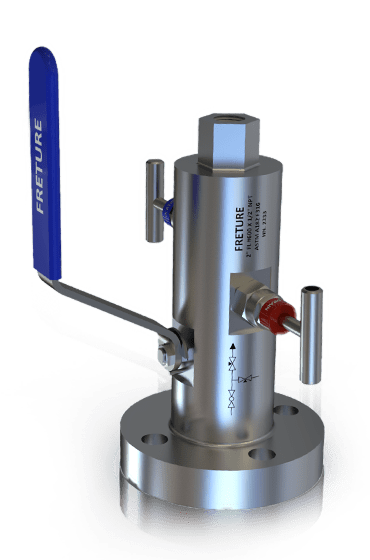
DBB 70 - DBB Valve
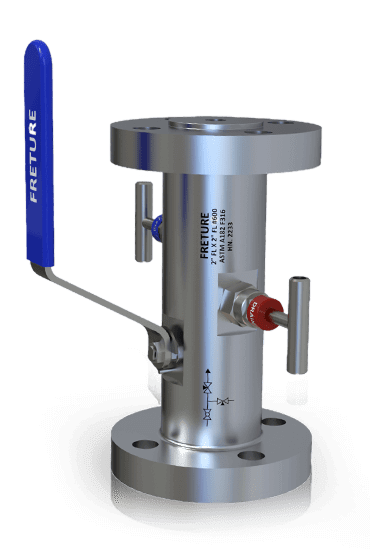
DBB 70D - DBB Valve
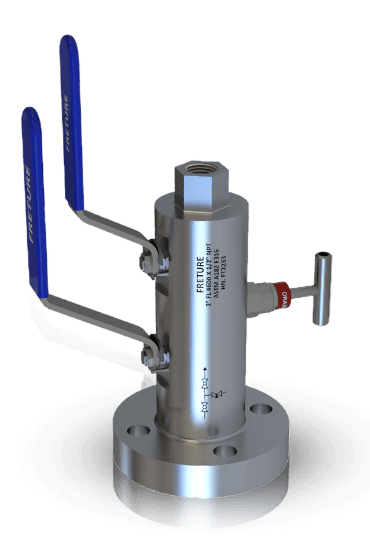
DBB 80 - DBB Valve
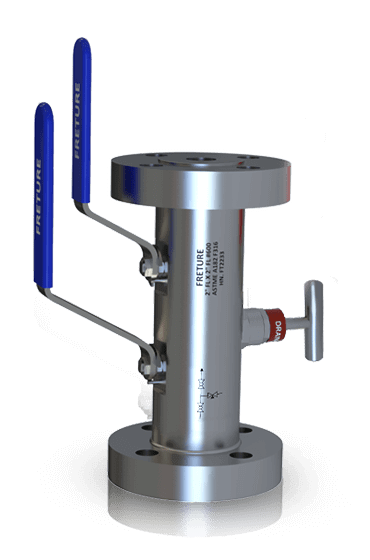
DBB 80D - DBB Valve
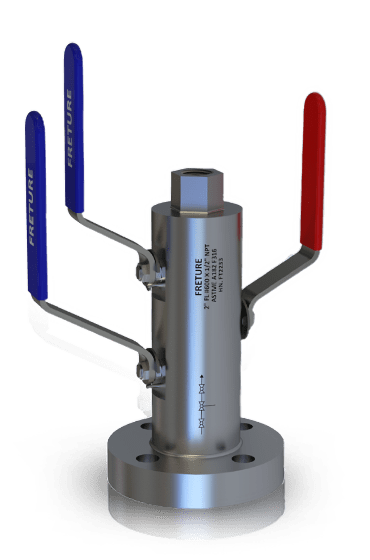
DBB 90 - DBB Valve
DBB 90D - DBB Valve
Related Products
FAQ’s
Have a question before you buy our products? Take a look at the FAQs below.
If you don’t find the answer you’re looking for, get in touch with us here.
- Are Double Block Bleed Valve safe?
- Do I really need DBB Valve for my factory?
If you are in one of the following industries, Double Block Bleed Valve will definitely help you improve the efficiency and safety.
- Chemical Manufacturing
- Oil & Gas Refineries
- Boiler / Reactor Manufacturing
- EPC Contractor company
- Local Traders
- How does it work?
DBB valve isolates a section of piping by using two seating surfaces to create a double barrier against flow, with a bleed valve in between to depressurize or vent the cavity.
- What are the main applications?
DBB valves are used in oil and gas, petrochemical, chemical processing, power generation, and water treatment industries for isolating sections of pipelines, preventing contamination, and ensuring system integrity during maintenance.
- What are the benefits of using one?
Benefits include enhanced safety, reliable isolation, leak detection, reduced downtime during maintenance, and compliance with regulatory standards.
- What materials are used in their construction?
Common materials include stainless steel, carbon steel, alloy steel, and special alloys to withstand high pressures, temperatures, and corrosive environments.
- How do I choose the right one for my application?
Consider factors such as pressure and temperature ratings, material compatibility with the fluid, valve size, end connections, and specific application requirements.
- Can they be repaired?
Yes, Double Block Bleed Valve can be repaired, with replacement parts available for seats, seals, and other components, ensuring long-term operational reliability.
- Why is Freture the best place to buy DBB Valves from?
- High Quality: Meets API and ASME standards.
- Custom Solutions: Tailored to specific needs.
- Expertise: Experienced manufacturing team.
- Great Support: Excellent customer service.
- Innovative Design: Advanced, durable valves.
Industries
Oil & Gas Industry
Chemical Processing
Power Generation
Water Treatment
Pulp & Paper Industry
Applications Double Block and Bleed Valve
- Isolation in Piping Systems: This ensures complete isolation of a section of piping for maintenance and safety.
- Pressure Relief: Used to safely relieve pressure in pipelines during maintenance or emergency shutdowns.
- Flow Control: Provides precise control and regulation of fluid flow in critical applications.
- Leak Detection: Enables detection of leaks in high-pressure systems by bleeding off pressure between two seals.
- Instrument Calibration: Used for safe calibration and testing of instruments in pressurized systems.
Get in Touch
You will find yourself working in a true partnership that results in an incredible experience, and an end product that is the best.