
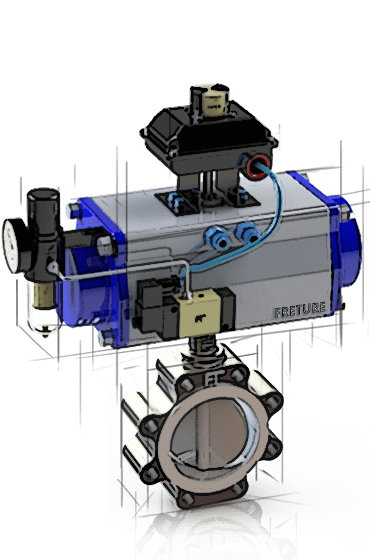
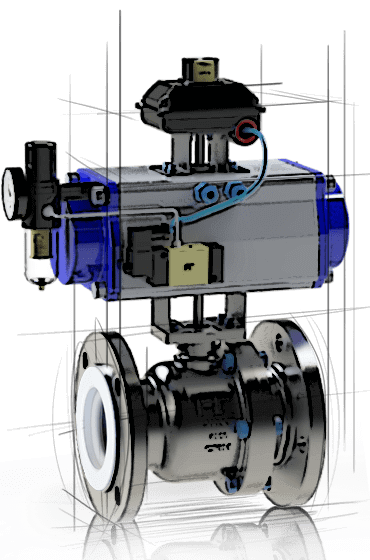
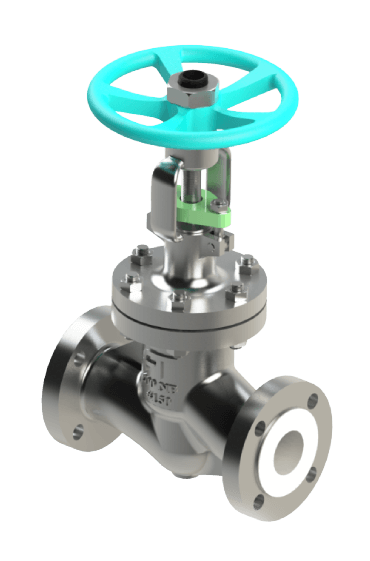
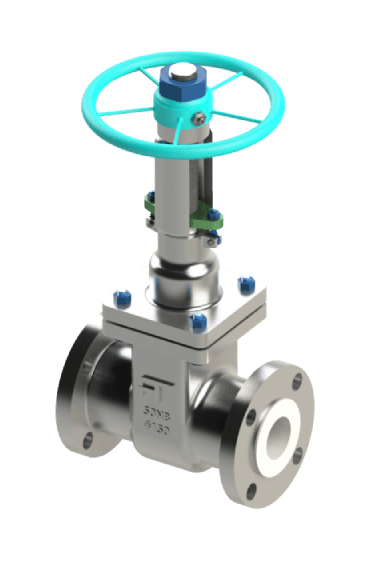
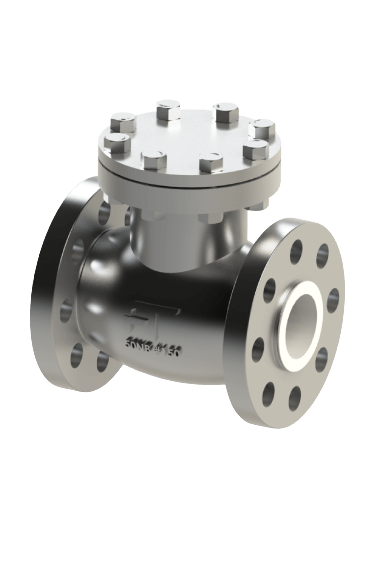

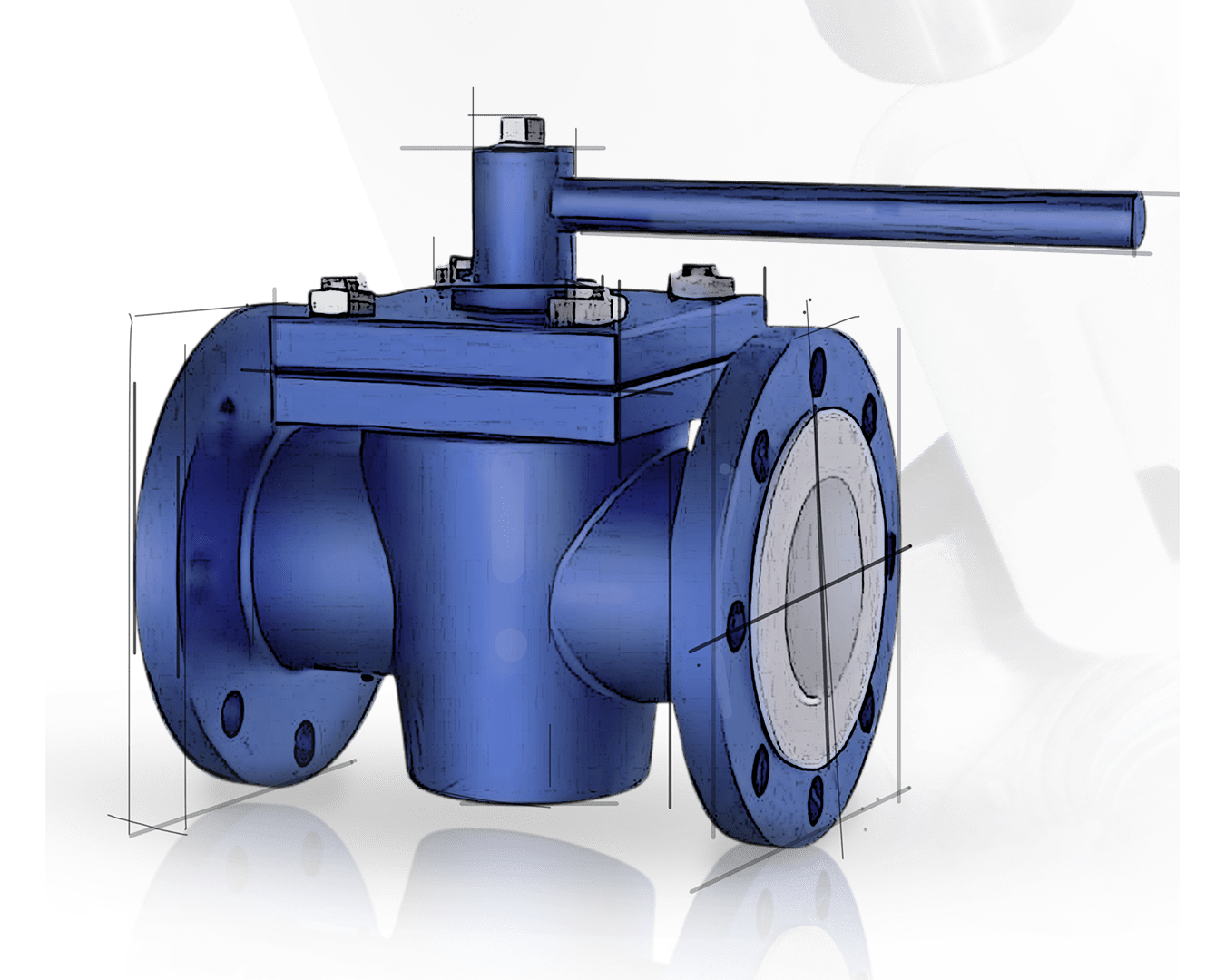
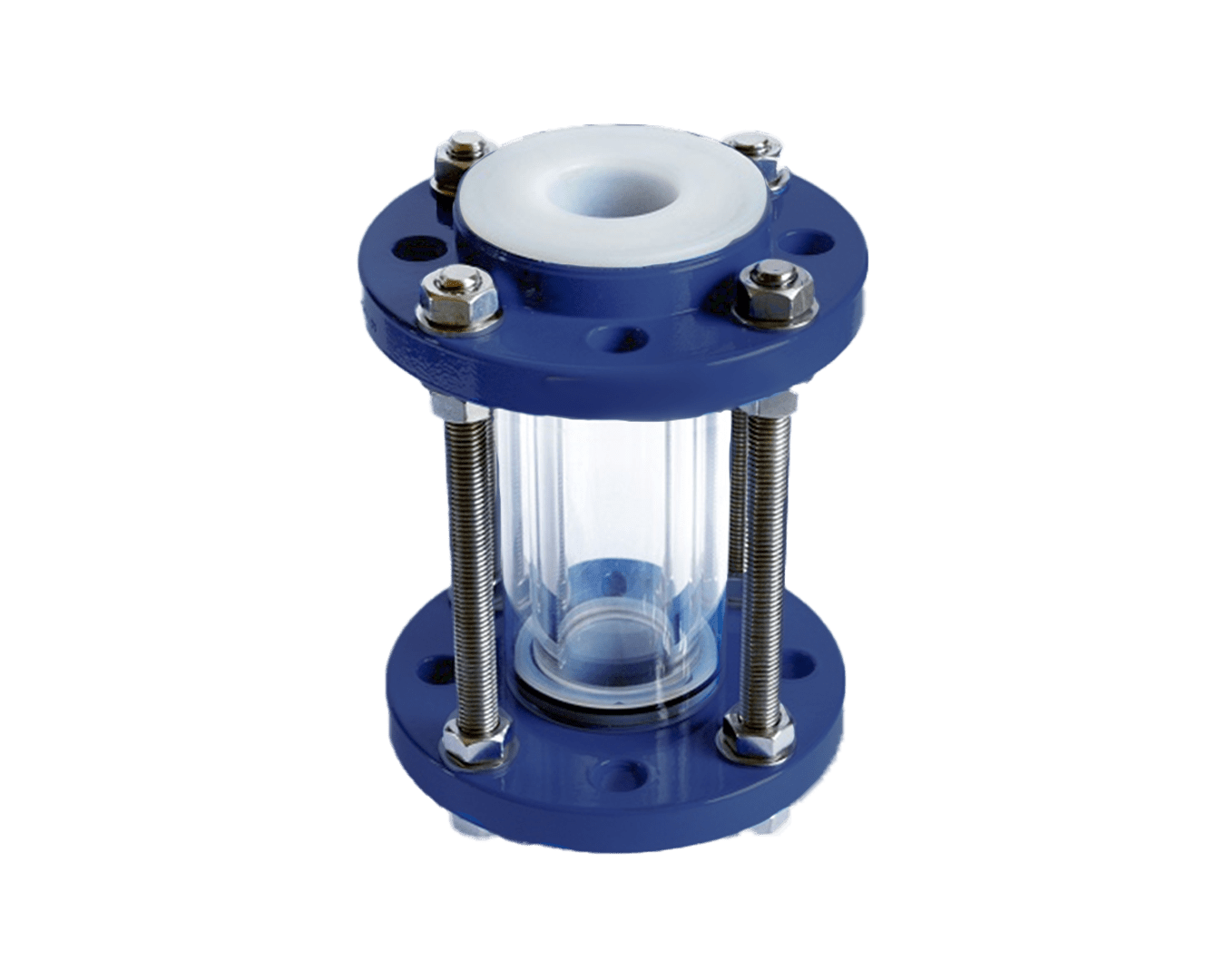

A lined Inline Sampling Ball Valve is a valve equipped with an internal lining, typically made from materials like PFA or PTFE, designed to resist corrosive substances. It allows operators to safely extract representative samples from pipelines or reactors without halting the production process.
PTFE Inline Sampling Ball Valve Manufacturer in India
Freture Techno is a precision manufacturer of PTFE-lined inline sampling ball valves engineered for the safe, controlled extraction of process fluid samples from live pipelines. Built for corrosive and hazardous media, these valves are widely used across chemical, pharmaceutical, and petrochemical plants where accurate, contamination-free sampling is critical to quality control and process monitoring.
What is a PTFE Lined Inline Sampling Ball Valve?
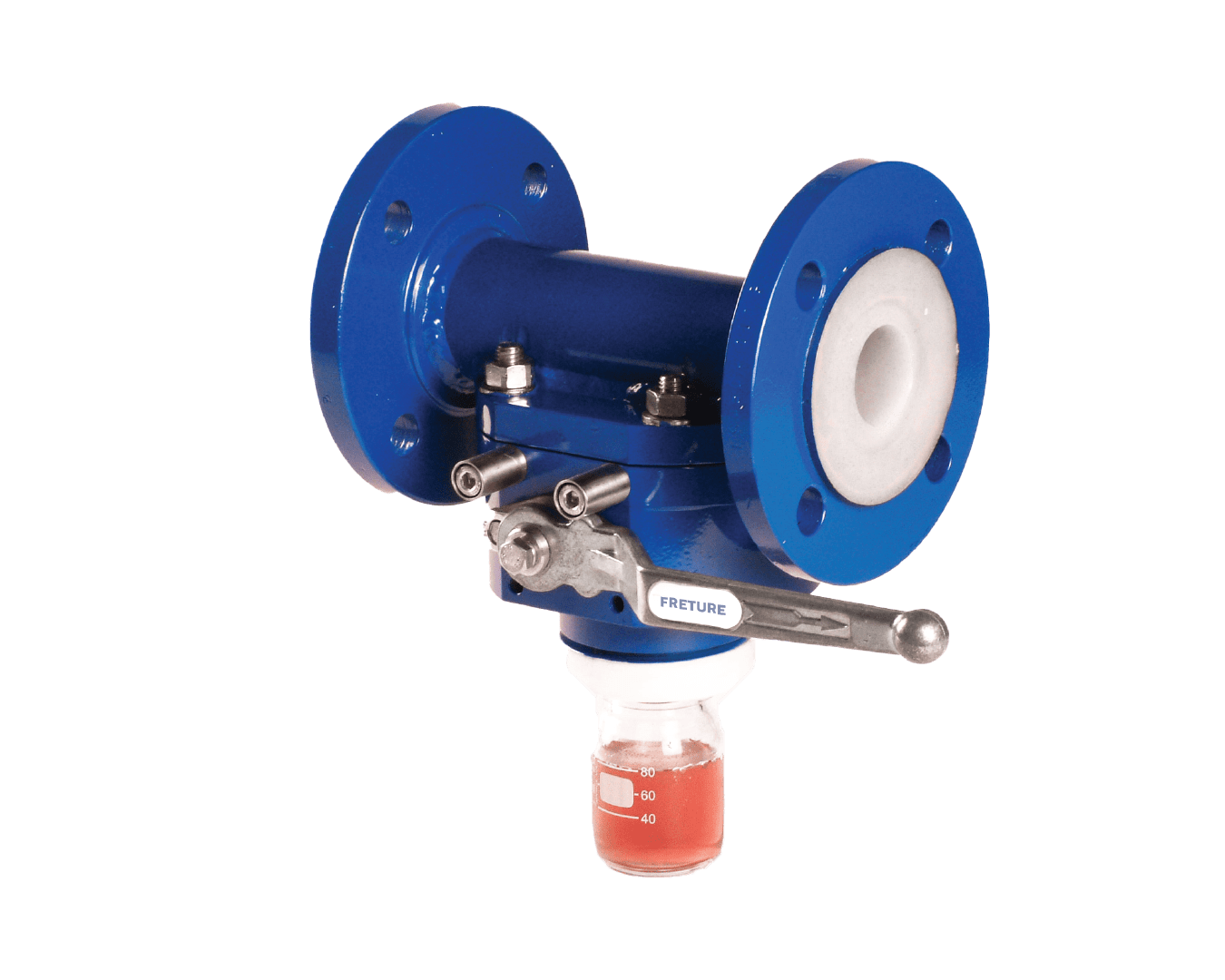
An inline sampling ball valve is mounted directly on a process line or vessel to allow operators to draw small, representative fluid samples without interrupting production or requiring a full line shutdown. The PTFE lining on the ball, seats, and seals creates a chemically inert barrier between the fluid and the valve's metallic body, making it suitable for aggressive acids, alkalis, and other corrosive streams that would otherwise degrade standard valve materials over repeated sampling cycles.
Industrial Inline Sampling Ball Valve – Design & Construction
PTFE Lined Inline Sample Ball Valve is typically constructed from robust materials such as stainless steel & carbon steel with 3 to 6mm thick Teflon Lining (PTFE/ FEP/ PFA), which provides structural sterility & reistance. The sampling process operates by isolating the sample from the main process line during extraction. When the valve is actuated, a sealing mechanism retracts, allowing the fluid to flow into a collection chamber or directly into a sample container. The internal lining ensures that the fluid does not come into contact with the valve's structural materials, preventing contamination. Once the desired sample volume is collected, the valve reseals, and the sample is safely removed for analysis.
Leak-Proof Sealing System for Reliable Process Isolation
The leak-free design of the PTFE Lined Inline Sampling Ball Valve is achieved through meticulous manufacturing processes that ensure a seamless bond between the lining and the base material, preventing leaks and enhancing the overall reliability of the piping system. Incorporating this valve into industrial systems offers significant benefits, including enhanced durability, improved safety, and environmental sustainability. The corrosion-resistant properties of the lining reduce the likelihood of leaks and system failures, ensuring a safer working environment. Moreover, the extended lifespan of PTFE Inline Sampling Ball Valve means fewer replacements and less material waste, contributing to sustainable industrial practices.
Specifications | Features |
|---|---|
Construction Material: Ductile Iron (GGG40.3 / ASTM A395), Cast Steel (ASTM A216 Gr. WCB), Stainless Steel (ASTM A351 CF8, CF8M) Size Range: 15 mm to 200 mm Temperature Range: -30°C to +230°C Pressure Rating: PN 6 End Connections: Flanged, as per ANSI B16.5 / B16.42 Drilling: ASA #150 / DIN 2632/33 Face-to-Face: As per Manufacturer’s Standard Lining Material: PTFE (ASTM D4895), PFA (ASTM D 3307), FEP (ASTM D 2116), PVDF (ASTM D 3322), PP (ASTM D 4101) Lining Thickness: 3 mm to 5 mm Hydraulic Test: Body (Shell): 10 Kg/cm² Spark Test: 15 K.V.D.C Glass Tube: Toughened / Tempered Borosilicate Glass, 100 mm to 200 mm Length Testing Standard: EN 12266 or API 598 |
|
FAQ’s
Have a question before you buy our products? Take a look at the FAQs below.
If you don’t find the answer you’re looking for, get in touch with us here.
- What is a lined Inline Sampling Ball Valve?
- Why is the Teflon lining material important for Inline Sampling Ball Valve?
PFA and PTFE linings offer excellent chemical resistance, high-temperature tolerance, and non-reactivity, making them suitable for a wide range of aggressive chemicals.
- How does this contribute to process efficiency?
They enable on-line sampling without the need to shut down processes, thereby reducing downtime and maintaining continuous production flow.
- What maintenance considerations are there for the lined version?
Regular inspections are essential to ensure the integrity of the lining and the valve's overall functionality. Proper maintenance extends the valve's service life and ensures consistent performance.
- How do these valves contribute to product quality control?
By providing accurate and representative samples, PTFE Lined Inline Sampling Ball Valve enable consistent monitoring of product quality, ensuring that any deviations are detected promptly.
- Are there different types of sampling valves available?
Yes, there are various designs, including inline and side-entry models, to accommodate different system configurations and sampling requirements.
- How does this support environmental sustainability?
By providing leak-free sampling and reducing the risk of hazardous spills, these valves help in minimizing environmental contamination and support compliance with environmental regulations.
- Why are lined Inline Sampling Ball Valve important in the pharmaceutical and food and beverage industries?
These valves enable the collection of representative samples without interrupting manufacturing processes, ensuring product quality and safety. They are designed to meet stringent hygiene standards, preventing contamination and maintaining the integrity of the sample.
Industries where PTFE Lined Inline Sampling Ball Valve is used
Pharmaceutical Industry
Food and Beverage Industry
Chemical Industry
Water Treatment Industry
Petrochemical Industry
Application
- Quality Control Testing: Sampling active pharmaceutical ingredients (APIs) during production to ensure compliance with stringent quality standards.
- Process Validation: Collecting samples at different stages to validate manufacturing processes and ensure consistency.
- Sterility Assurance: Obtaining samples in aseptic conditions to verify the sterility of injectable products.
- Process Monitoring: Sampling during fermentation processes in breweries to control product characteristics.
- Ingredient Verification: Ensuring the correct concentration of ingredients in sauces and condiments
- Process Stream Analysis: Sampling intermediates in refining processes to monitor composition.
Get in Touch
You will find yourself working in a true partnership that results in an incredible experience, and an end product that is the best.